
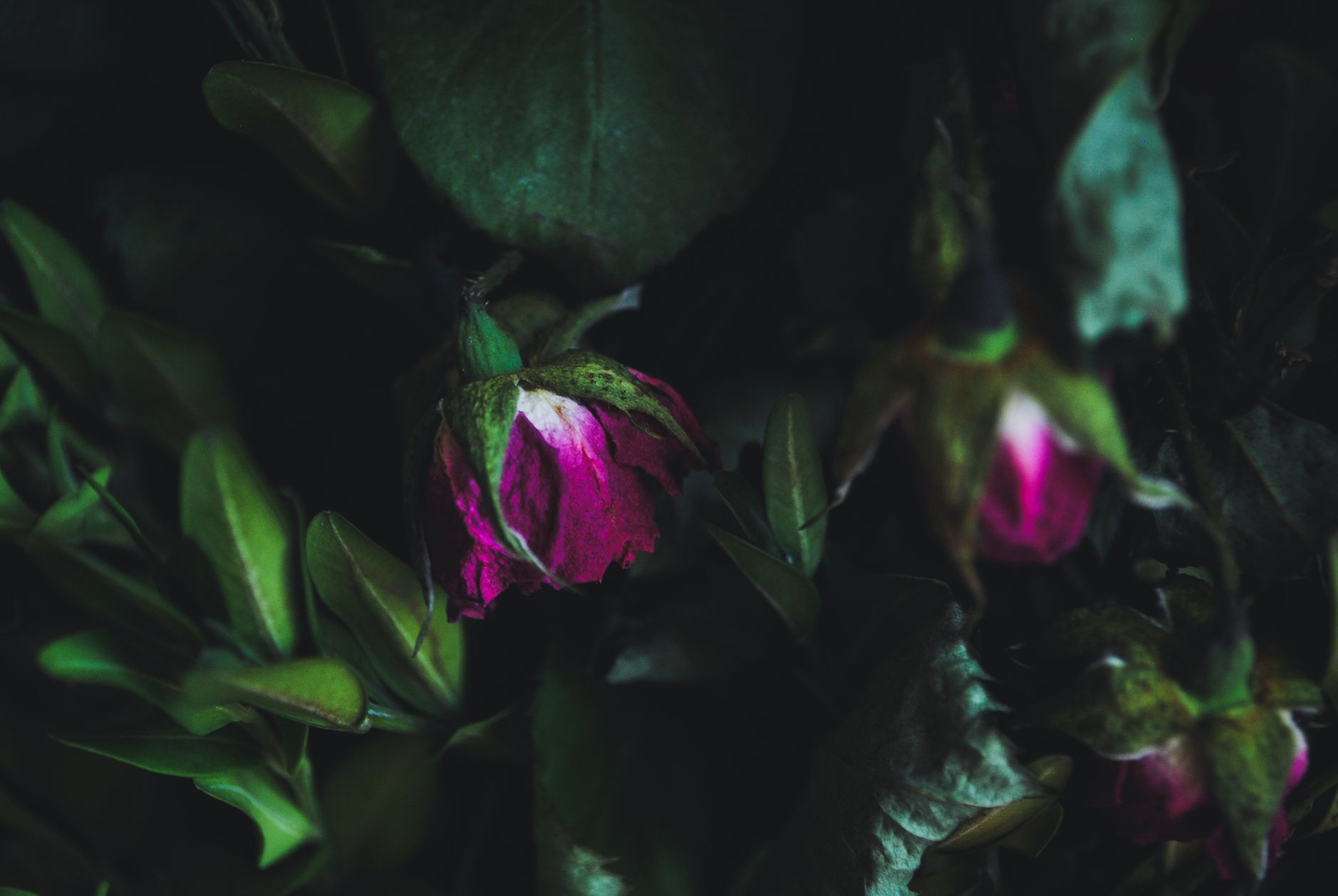
Here is the thing about being a florist: our job ends when the flowers leave the shop. We design them, hydrate them, wrap them or vase them, hand them to you or to a driver, and then … they are yours. And whatever happens next is out of our hands. Literally.
And sometimes — a lot of the time, honestly — what happens next makes us want to cry into a bucket of rose stems.
This is not a guilt trip. This is an intervention. A loving, honest, slightly exasperated catalog of every terrible thing we have seen people do to their flowers, followed by the easy fix for each one. None of this is hard. All of it makes the difference between flowers that last a week and flowers that are brown mush in three days.
🔥 Mistake #1: Leaving Them in the Car
What happens: You pick up flowers, put them on the passenger seat (or worse, the trunk), and then “just need to run one more errand.” In July, a parked car reaches 130–150°F inside within 30 minutes. Flowers are 90% water. You are essentially steam-cooking them.
What we see: Wilted heads, drooping stems, petals that went translucent from heat damage. The bouquet that was gorgeous in our cooler at 36°F is now a warm salad.
The fix: Flowers go home last. They are the final errand, not the first. If you absolutely must leave them in a car, put them on the floor (cooler than the seat), in the shade, with the AC running or windows cracked. Better yet: run inside, put them in water, then go do your other things. Five minutes makes a difference.
☀️ Mistake #2: Putting Them in Direct Sunlight
The logic: “They are flowers. They grew in the sun. They must like the sun.”
The reality: Cut flowers are no longer growing. They are no longer connected to roots that supply water as fast as the sun evaporates it. They are essentially a beautiful, slowly dying thing, and direct sunlight accelerates that process dramatically. A bouquet in a sunny window will last 3–4 days. The same bouquet in a cool, shaded spot will last 8–10.
The fix: Display flowers where you can see them, not where the sun can see them. Kitchen counters away from the window, dining tables, bedside tables, entryways — bright indirect light is fine. A shaft of afternoon sun through a west window is a death ray.
🍎 Mistake #3: The Fruit Bowl Proximity
What most people don’t know: Ripening fruit (especially apples, bananas, and stone fruit) releases ethylene gas. Ethylene is an aging hormone for plants. It tells flowers to mature, wilt, and drop their petals faster. It is invisible, odorless, and it absolutely works.
What we see: “My flowers only lasted three days!” And then we find out they were sitting next to a bowl of bananas on the kitchen counter.
The fix: Keep flowers at least 4–6 feet from the fruit bowl. If your kitchen is small, move the fruit or move the flowers. This is one of the most impactful things you can do and literally nobody thinks about it.
🪙 Mistake #4: The Penny / Vodka / Sprite / Aspirin Myths
The myths: “Put a penny in the water — the copper kills bacteria.” “Add a splash of vodka.” “Add Sprite for the sugar.” “Crush an aspirin into the water.”
The reality:
- Penny: Modern pennies are zinc with a copper coating. They do almost nothing. Even if they were solid copper, the antibacterial effect is negligible compared to just changing the water.
- Vodka: In theory, a tiny amount inhibits ethylene production. In practice, too much kills the stems faster than bacteria would. The dosing is so finicky that it is not worth the risk.
- Sprite/sugar: Sugar feeds flowers — true. But it also feeds bacteria in the water. Unless you also add an acidifier and a bactericide (which is exactly what the flower food packet does), you are creating a bacterial soup.
- Aspirin: It lowers pH slightly, which can help water uptake. But again, the flower food packet already does this, better, in the right proportions.
The fix: Use the flower food packet that came with your bouquet. It contains the right ratio of sugar (food), citric acid (pH control), and bleach/biocide (bacteria killer). It works. It is free. It came in the bag. Use it.
✂️ Mistake #5: Cutting Stems With Bad Scissors
What happens: You grab the kitchen scissors — the ones you also use for cardboard, chicken packaging, and opening bags of chips. They are dull. They crush the stem instead of cutting it cleanly. A crushed stem cannot absorb water efficiently. The cells are mangled closed.
What we see: Flowers that wilt even though there is water in the vase. The stems look white and mushy at the bottom instead of fresh green. Classic crush damage.
The fix: Use sharp scissors, a sharp knife, or actual floral snips. The cut should be clean and at a 45-degree angle (increases surface area for water absorption). It does not matter if the scissors are fancy — it matters that they are sharp. A clean diagonal cut is the single most important thing you can do for your flowers.
💧 Mistake #6: Never Changing the Water
The timeline: Within 48 hours, the water in your vase develops bacteria. Within 72 hours, it is a bacterial colony. By day four or five, it smells. The bacteria clog the stem’s vascular system and the flower cannot drink. It dies of thirst sitting in water.
What we see: “I had water in the vase the whole time!” Yes — green, cloudy, foul-smelling water that was killing the flowers from the bottom up.
The fix: Change the water every 2 days. Rinse the vase. Re-cut the stems each time (just half an inch off the bottom). Add fresh flower food. This alone extends vase life by 40–60%. It takes 90 seconds.
🧊 Mistake #7: The “Put Them in the Fridge Overnight” Move
The logic: “Florists keep flowers in a cooler, so my fridge must work the same way.”
The problem: Your refrigerator is not a floral cooler. A floral cooler is 34–38°F with controlled humidity around 80–90%. Your fridge is 35–40°F with low humidity (it actively removes moisture — that is how it keeps food from going moldy). Flowers in a home fridge dehydrate. Also: your fridge contains fruit. Fruit releases ethylene (see Mistake #3). You are putting flowers in a cold ethylene chamber.
The fix: Leave them on the counter in a cool room. If it is extremely hot and you have no AC, a brief overnight fridge stay (away from fruit, wrapped loosely in a damp paper towel) is better than a 90°F kitchen. But it is a last resort, not a routine.
🚿 Mistake #8: Drowning Them
What happens: You fill the vase all the way to the brim because more water must be better, right? The leaves below the waterline start to decompose. Decomposing leaves produce bacteria exponentially faster than bare stems alone. Within 24 hours, the water is contaminated.
The fix: Fill the vase 2/3 full. Strip every leaf that would fall below the waterline. Every single one. This is the thing your florist did before wrapping the bouquet, but if you re-cut stems shorter at home, you may have submerged new leaves. Check and strip.
🧱 Mistake #9: Wrong Vase, Wrong Fit
What happens: You put 6 stems in a vase designed for 30. The stems splay outward, the heads droop because there is no structural support, and the arrangement that looked beautiful in the shop looks sad and scattered on your table.
The fix: The vase opening should be tight enough that the stems gently support each other. If the vase is too wide, add more greenery for structure, or use a smaller vase. A mason jar is often better than a too-large crystal vase. Fit matters more than fanciness.
💨 Mistake #10: Placement Near Vents and Fans
What happens: Air conditioning vents, heating vents, ceiling fans, and open windows with a breeze all increase the evaporation rate from petals. Flowers are not designed for constant airflow. They dehydrate from the outside in.
The fix: Keep flowers away from direct airflow. Not in the path of the AC vent. Not under the ceiling fan. Not on the windowsill with a cross-breeze. A still, cool room is ideal.
🏆 The One Thing That Matters More Than All of This
If you read this entire list and thought “I am not going to remember all of that,” here is the single most impactful habit: change the water and re-cut the stems every two days. That is it. That one habit alone will double your vase life even if you ignore everything else. Fresh water, fresh cut, done.
We see flowers survive on sunny windowsills and flowers die in perfect conditions. The variable is almost always water quality. Clean water, clean vase, fresh stem cut. Everything else is optimization. That is the foundation.
And if you mess it all up — if you leave them in the car and put them next to the bananas and cut them with garden shears and never change the water — you can always order more. We are here. We have fresh ones in the cooler right now. No judgment. Just flowers.