
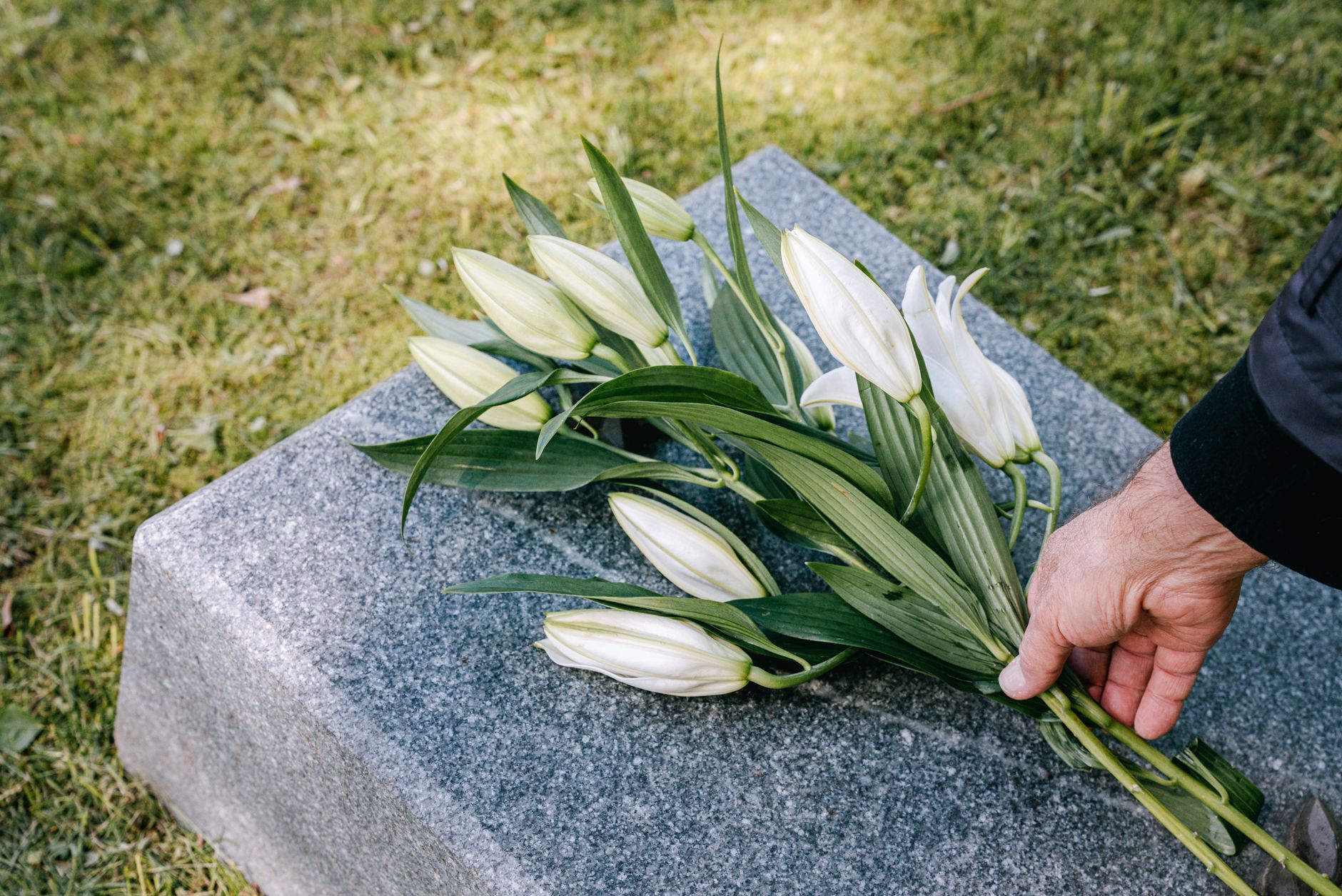
Few flower orders matter more than a funeral order, and few come with so many unspoken rules. The Bay Area adds a further layer: families here come from every part of the world, and the customs around mourning are not the same from one household to the next. A few basics will help you send something that comforts, and not something that stands out for the wrong reason.
First, Find Out Where the Flowers Should Go
Flowers can go to the service, to the family’s home, or both. Read the obituary or the family’s announcement, because many now say where to send flowers or ask for donations to a cause. If the notice says “in lieu of flowers,” honor it and consider a donation, a meal or a card instead. If you are not sure, call the funeral home or ask a mutual friend before ordering.
Timing
Flowers for a service need to arrive before it begins, so the date and time of the service matter more than the date of your order. Order as early as you can and give the delivery date plainly. If you missed the service, flowers sent to the family’s home in the days or weeks afterward are often deeply appreciated, because that is when the quiet arrives. We deliver seven days a week, including Sundays, which helps when a service falls on a weekend.
Choosing the Arrangement
- Standing spray or easel arrangement: a traditional choice for the service, and it tends to be sent by friends, colleagues and extended family.
- Basket or vase arrangement: works at the service or at the family’s home afterward.
- Blooming plant: lasts longer and can be kept or planted. A good choice for the home.
- Simple bouquet: a quiet, personal gesture for close friends.
Soft whites, creams and greens are the safe choice, and they are widely suitable. Lilies, roses, carnations, chrysanthemums, orchids and hydrangeas are common. Color is fine if you know the person loved it, as long as it fits the family’s traditions.
Customs Differ, So Ask When You Can
Customs vary a great deal, even within one faith or culture. A few common patterns, which you should treat as a starting point, not a rule:
- Many Christian services welcome arrangements, and the family often displays them at the service.
- Many Jewish families do not use flowers at the funeral or at the shiva home and prefer a donation or food. Check before you send.
- Many Chinese and other East Asian families favor white and avoid red at a funeral. Some also do not use certain flowers. Ask a friend of the family or the funeral home.
- Buddhist and Hindu traditions often favor white flowers, and practices vary by family.
When you do not know, a simple white arrangement and a kind note are rarely wrong, and a call to the funeral home settles most questions.
What to Write on the Card
Keep it short and sincere. A line that names the person and shares a memory does more than a long phrase. A few ideas:
- “Thinking of you and holding all of you close.”
- “I will always remember her laugh.”
- “With deep sympathy from all of us at the office.”
Sign it with your full name so the family knows who sent it. For more on the etiquette, see our guide to sympathy flower etiquette.
Sending From a Distance
If you cannot attend, flowers carry your presence. Choose the date, name the recipient and write a note the family can keep. If the service is at a cemetery, such as the one on the Presidio described in our cemetery and flowers guide, check with the cemetery or the family about what is allowed before you send anything there.