
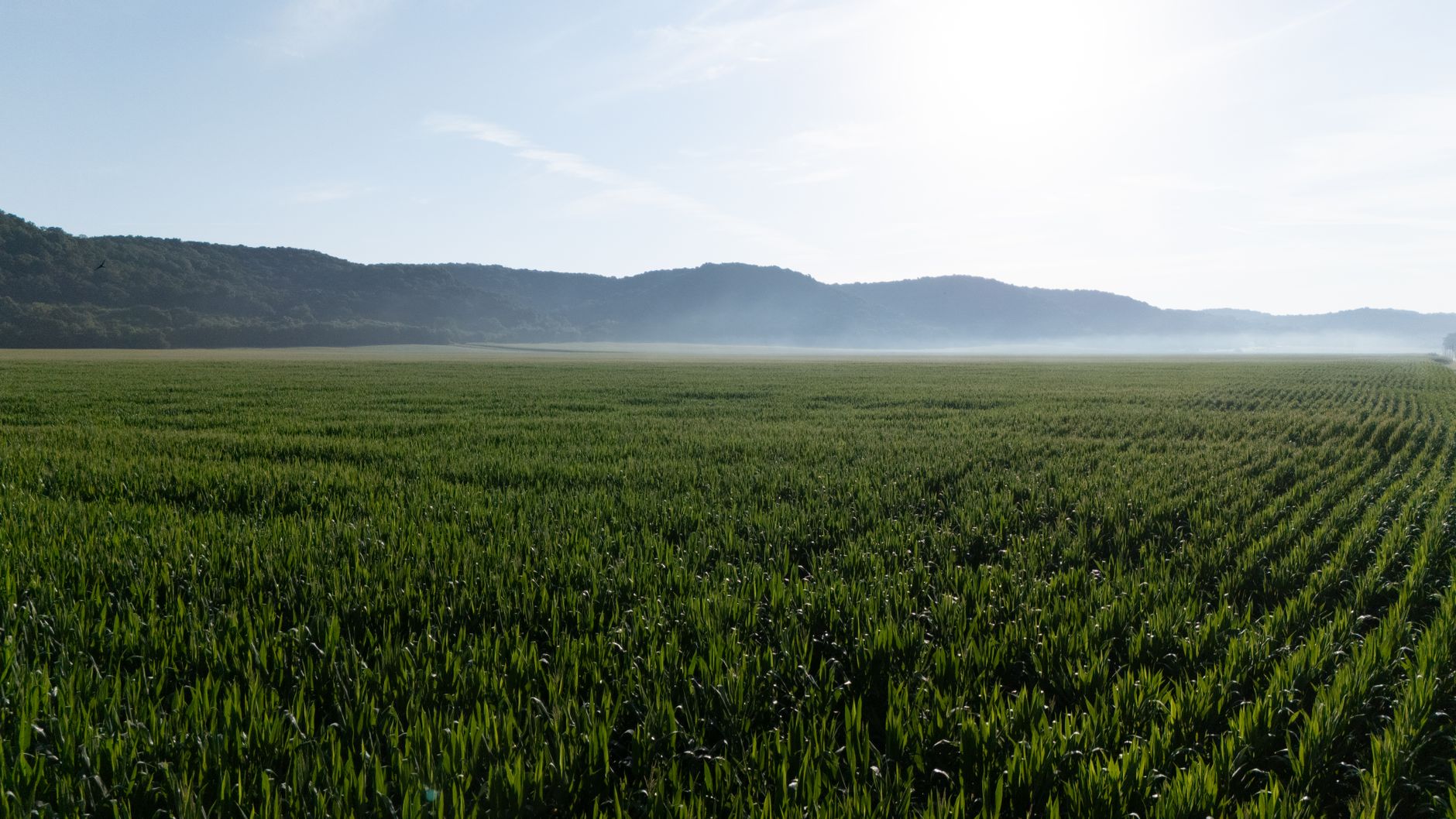
Let us paint you a scene that only makes sense here. It is a July afternoon. In the Sunset District of San Francisco, someone is wearing a fleece, the fog is sitting so low you can taste it, and it is 57 degrees. At that exact same moment, forty minutes east in Walnut Creek, someone is standing in a driveway that is radiating heat like a pizza stone, checking whether it is going to crack 96 before dinner. Same region. Same afternoon. A nearly forty-degree difference. Welcome to the Bay Area, where “what’s the weather?” is a genuinely unanswerable question.
At bayflorist.com, this is not just small talk to us — it is the central technical challenge of our entire job. Because flowers are basically tiny, beautiful weather instruments, and the same arrangement that will happily live for a week on a foggy Richmond District windowsill can be visibly tired by dinner on a hot Concord patio. So let us talk about the Bay’s ridiculous microclimates, and what they actually mean for the flowers in your life.
🌡️ Why This Happens at All
The short version, and we wrote the longer, nerdier version in our piece on the science of Bay Area fog: it is the ocean and the valleys fighting over air. As the inland valleys heat up in summer, the hot air rises and pulls cool, wet marine air in off the Pacific through the one big gap in the coastal hills — the Golden Gate. That is Karl the Fog, and he is not a weather event, he is a summer resident. The result is a temperature gradient that gets more extreme the hotter it gets inland: the hotter Livermore bakes, the harder the fog gets sucked into the city. San Francisco’s coldest, grayest days are often the region’s hottest overall.
🌦️ The Foggy Bay Area: A Florist’s Paradise
Here is the good news if you live west of the hills, in the fog belt — the Sunset, the Richmond, Daly City, Pacifica, coastal Marin. Your climate is, frankly, ideal for cut flowers. Cool temperatures and high humidity are exactly the conditions we recreate artificially in our coolers. Flowers in the fog belt are living in a natural refrigerator.
This is why the delicate, fussy, water-hungry blooms that struggle elsewhere — hydrangea, sweet peas, garden roses, anemones — last beautifully out here. It is also, not coincidentally, why so much of California’s cut-flower growing happens in the cool coastal strip, and why the stems at the SF Flower Mart arrive in such gorgeous shape. If you have ever wondered why your bouquet seems to last forever at your foggy apartment and wilts fast at your friend’s inland place, this is your answer. The fog everyone complains about is quietly doing your flowers a favor.
🔥 The Hot Bay Area: Where Flowers Go to Work Hard
Now the inland story — the East Bay past the hills, the South Bay on a heat spike, the far reaches of Contra Costa. San Jose, Walnut Creek, Concord, Livermore, Fremont. Here the summer sun means business, and flowers have to earn their keep.
It is not that flowers cannot thrive inland — they absolutely can — it is that you have to choose the right ones and treat them right. The survivors are the tough, sun-loving crowd: sunflowers, zinnias, celosia, and above all succulents, which treat a 95-degree afternoon as a mild inconvenience. If you are inland, a few habits make an enormous difference:
- Keep it out of the window. That sunny sill that shows the arrangement off beautifully is a slow oven. Bright indirect light, away from the glass, is the move.
- Fight the AC and the heat both. Blasting air conditioning dries flowers out nearly as fast as heat does. Aim for stable and moderate, not extreme in either direction.
- Water is everything, doubled. Inland arrangements drink faster. Check the vase daily in a heat wave — a hot room can drop the water line overnight.
- Choose the troopers. When it is genuinely hot, ask us to build around heat-tolerant blooms. We would rather send you something that looks great for a week than something delicate that photographs beautifully and collapses by day two.
🚚 How We Actually Deliver Across Forty Degrees of Difference
This is the behind-the-scenes part couples and gift-senders rarely think about: delivery timing is a microclimate decision too. On a hot inland day, we would much rather get an arrangement to a Livermore doorstep in the cooler morning than have it ride around in a warm van at 3 p.m. On the coast, we have more flexibility, because the day never really cooks. When you order across the region, we are quietly factoring in where it is going and what the day is doing there — the same instinct we described in our foggy-Saturday-morning ode to the way this region’s light and temperature move through a single day.
It is also why the microclimate map matters so much for events — the exact logic we just walked through for summer weddings and their venues. Whether it is a bouquet or a hundred centerpieces, the question is always the same: which Bay Area is this actually going to?
🌐 The Takeaway
The Bay Area’s ridiculous weather is not a bug, it is the defining feature — a region where you can drive through summer and winter in the same half hour. For flowers, it means there is no single right answer, only the right answer for where you are. Foggy and cool? Enjoy your natural refrigerator and go ahead and splurge on the delicate stuff. Hot and inland? Lean into the tough, sun-loving beauties and keep the water topped up. And whichever Bay you live in, let us know where an arrangement is headed — because we have been reading this fog for years, and we know exactly which flowers to send across the bridge.