Diwali 2026 reaches its main night on Sunday, November 8, and the celebrations started on Friday. If you have a neighbor, a coworker, a friend or a customer who celebrates it, you have probably already seen the signs: strings of lights, small clay lamps on doorsteps and colorful patterns drawn on the ground outside front doors. Flowers are a big part of Diwali, and much of what makes the festival look the way it does is made of them. We are a Bay Area florist, not an authority on anyone’s faith, so this guide sticks to what we know: what Diwali is in plain terms, which flowers families use and why, what is happening around the Bay this weekend, and how to send flowers in a way that is warm and respectful.
🪔 What Diwali Is
Diwali, also called Deepavali, is the festival of lights. It is primarily a Hindu festival, with variations celebrated in other Indian religions, including Jainism and Sikhism. It is associated with the victory of light over darkness, good over evil and knowledge over ignorance. The name comes from a Sanskrit word meaning “a row or series of lights.”
Different traditions connect the festival to different stories. Many Hindus associate it with the day Rama returned to his kingdom in Ayodhya after defeating the demon king Ravana, and with Lakshmi, the goddess of prosperity, and Ganesha, the god of wisdom and the remover of obstacles. In other regions it is tied to Krishna, Kali and other figures. Jains observe their own Diwali, which marks the final liberation of Mahavira, and Sikhs celebrate Bandi Chhor Divas. Newar Buddhists celebrate by worshipping Lakshmi, and many Hindus in Eastern India worship Kali. Because the festival means different things in different families, the best thing a non-celebrant can do is follow the lead of the people they know.
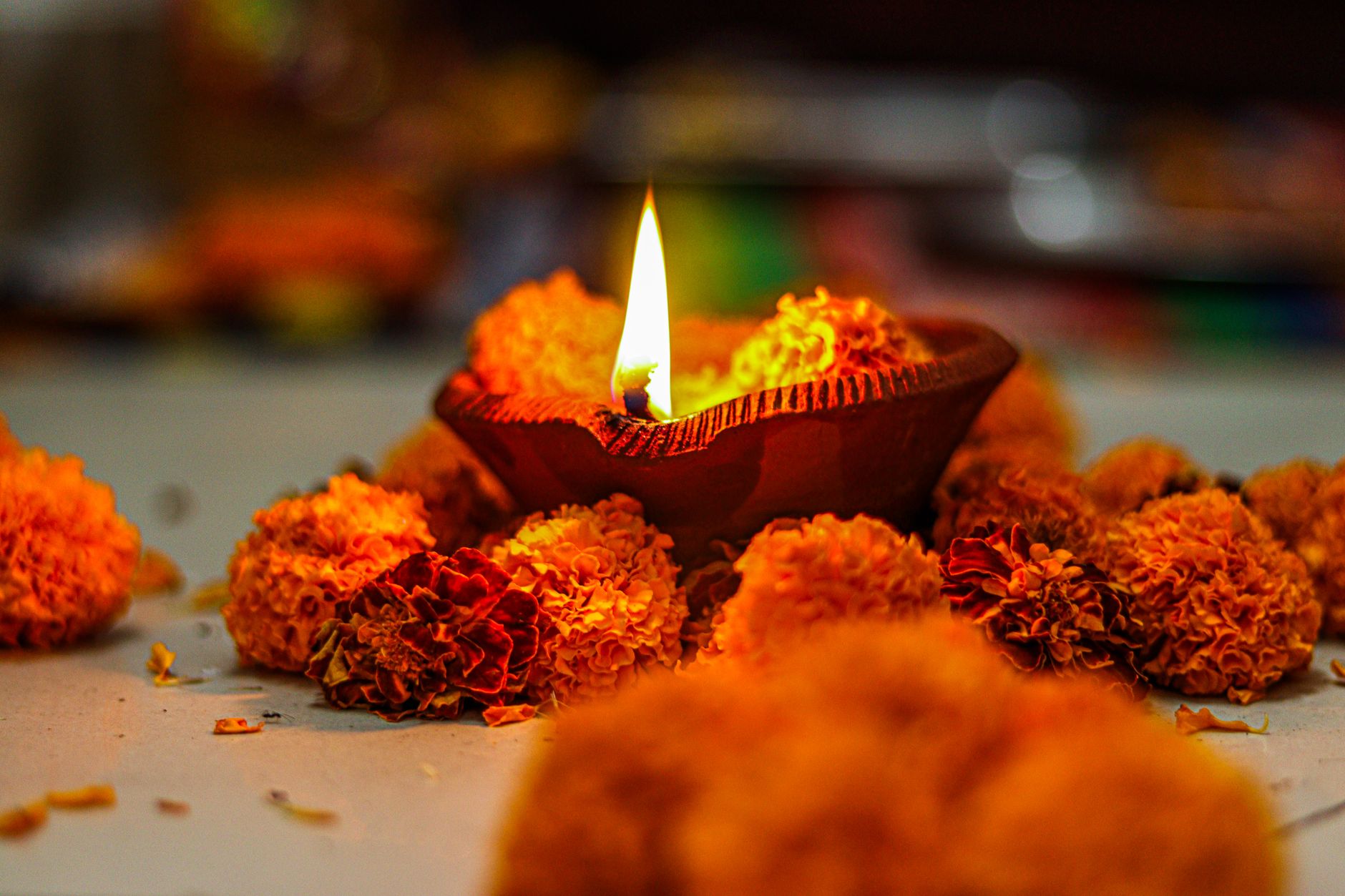
Common to nearly every household is the lighting of diyas, which are small oil lamps, along with candles and lanterns, fireworks in many places, rangoli designs on floors and doorsteps, family feasts, sweets called mithai, new clothes and gifts. It is also a homecoming and a time to remember ancestors, and many people send greeting cards, sometimes with a box of sweets.
📅 The Diwali Calendar for 2026
Diwali is a five-day celebration that follows the Hindu lunisolar calendar, so the dates move from year to year. This year the main day, Lakshmi Puja, is Sunday, November 8. The days around it run like this:
- Friday, November 6: Dhanteras, the first day. Many families clean their homes, light a lamp at the entrance and set up diyas near images of Lakshmi and Ganesha.
- Saturday, November 7 into Sunday morning: Kali Chaudas and Naraka Chaturdashi, also called Chhoti Diwali, a day of lighting lamps and preparing for the main celebration. Some calendars place it on Saturday and others early Sunday, depending on local timing.
- Sunday, November 8: Diwali and Lakshmi Puja, in the evening, the darkest night of the month and the high point of the festival.
- Monday, November 9: Govardhan Puja, also called Padwa, with an offering of food called Annakut.
- Wednesday, November 11: Bhai Dooj, when sisters and brothers celebrate their bond.
Puja times vary by location and by family tradition, so people check a local panchang, or calendar, for the exact hour. If you are planning a gift or a visit, the safest approach is to ask.
🌼 The Flowers of Diwali
Flowers appear all over the festival, and a few are especially common. Here are the ones we see families use, and where they go:
- Marigold. Called genda phool, it is the flower most commonly used for Diwali decoration. Bright orange and yellow marigolds are strung into garlands, hung across doorways as torans, scattered on altars and used as borders in rangoli. They are also long-lasting and easy to string, which helps. Marigolds are used for ornamentation across South Asia, including at weddings and other celebrations.
- Lotus. The lotus is closely tied to Lakshmi, who is shown seated on a lotus and holding one. It is also the national flower of India. Pink or white lotus flowers, or just the petals, are offered at the evening Lakshmi Puja and sometimes floated in a bowl of water.
- Rose. Roses are used on pooja thalis, in floral rangolis and in decorative bouquets, and rose petals are often added to marigold garlands for color and fragrance.
- Jasmine. Strung into garlands and scattered around the pooja area, jasmine is prized for its scent and is a favorite for evening prayers.
- Red hibiscus. Especially important in households that worship Kali.
Rangoli deserves its own mention. It is an art form in which patterns are made on the floor using materials such as rice flour, colored sand, colored rocks and flower petals. Making one is mostly reserved for festivals and important celebrations, and at Diwali families often decorate doorways with rangolis made from rice flour, flower petals and colored rice on the first day. The lotus flower and its leaves are among the symbols commonly used in the designs.
If you know the marigold from the Day of the Dead, you are right to notice the overlap. Marigolds matter to both holidays, but the traditions are separate. For the Mexican one, see our guide to marigolds and Día de los Muertos.
🌉 Diwali in California and Around the Bay
California made Diwali an official state holiday in October 2025, and the Bay Area celebrates in a big way. These events are on the calendar around the weekend, and most are free. Check each organizer for current times before you go:
- Oakland Diwali Festival of Lights: Saturday, November 7, 6 to 10 p.m. at BLOC 15 in downtown Oakland. Free, with live performances, South Asian food and a bazaar.
- San Francisco Diwali Festival: Sunday, November 8, at Yerba Buena Gardens. Free, with traditional and contemporary South Asian music and dance, artisans and food vendors.
- Diwali at the Outer Sunset Farmers Market & Mercantile: Sunday, November 8, the market’s fourth annual Diwali festival, with live music and cooking demonstrations.
- Diwali on the Square: Sunday, November 8, 6:30 to 9:30 p.m. at St. Mark’s Urban Life Center, 1031 Franklin Street in San Francisco. Free, with music, dance, food and vendors.
- A free SF Diwali and Kids Diwali celebration on Sunday, November 8, with an Annakut Darshan, a display of hundreds of vegetarian dishes offered in devotion, an exhibition on the traditions of Hinduism and Diwali, and a children’s carnival.
- Bhangra & Beats Diwali Night Market: Friday, November 13, 4 to 9 p.m. at Yerba Buena Gardens. Free, with Bhangra performances and lessons, DJs, food and vendors.
- Indian Restaurant Week SF, Diwali Edition: November 1 through 14, with multi-course menus at six San Francisco restaurants. Reservations are recommended.
🎁 Sending Flowers for Diwali
Flowers are a natural Diwali gift, and sending them to someone who is celebrating is a kind gesture. This part is our own advice as florists.
- Choose warm colors. Orange, yellow, gold, red and pink look right for the festival. An arrangement of orange roses, yellow chrysanthemums and gold accents echoes the marigold palette.
- Marigolds are welcome, but not required. We can work marigolds into an arrangement when they are available. If you are sending to a family that decorates with marigold garlands, a bouquet in the same colors will fit right in.
- Send before the main night. Friday or Saturday arrives in time for Sunday evening, and Sunday morning works too. We deliver seven days a week, including Sundays, across the Bay Area, so ask for the day that suits the household.
- Keep flowers away from open flames. Diyas and candles are everywhere during Diwali, and flowers and garlands burn. Place an arrangement on a side table, not beside a lamp, and leave the lamps to the family.
- Ask about food. If you pair flowers with a gift basket, check dietary preferences first, since some families keep a vegetarian table. Our gifts and occasions page and our flowers and gifts under $50 page have options.
- Mind the fragrance. Marigolds and jasmine are strongly scented, and a gathering of many people is a lot of scent. Our list of the least fragrant flowers helps if you are sending to someone sensitive.
- Write a simple card. “Happy Diwali” is always welcome, and some people also say “Shubh Deepavali.” Skip comparisons to other holidays, and do not call it a “Hindu Christmas”; Diwali has its own stories and customs.
A note for coworkers: if you are sending to someone at the office, a small arrangement on the desk is a thoughtful touch, and Diwali is a good time to do it. If you are not sure whether someone celebrates, an easy opener is to ask how they are marking the festival this year.
🗺️ Where We Deliver
We deliver Diwali flowers across the Bay Area. See our delivery pages for Oakland, Berkeley, San Francisco and the South Bay and Silicon Valley. Our fresh-cut flower care tips help the bouquet last through the five days and beyond. If the celebration is for a family you do not know well, our designer’s choice guide explains how to let us choose the best flowers for the occasion.
📋 The Short Version
- Diwali 2026’s main night, Lakshmi Puja, is Sunday, November 8. Dhanteras was Friday, and Bhai Dooj is Wednesday, November 11.
- The festival is primarily Hindu, with Jain and Sikh observances too, and it celebrates light over darkness.
- Marigolds, lotus, roses and jasmine are the flowers most often used, for garlands, doorway hangings, rangoli and worship.
- California made Diwali an official state holiday in October 2025, and there are free celebrations around San Francisco and Oakland this weekend.
- Choose orange, yellow, gold and red, keep flowers away from open flames, ask about food, and write a simple “Happy Diwali.”
- We deliver seven days a week, including Sundays.